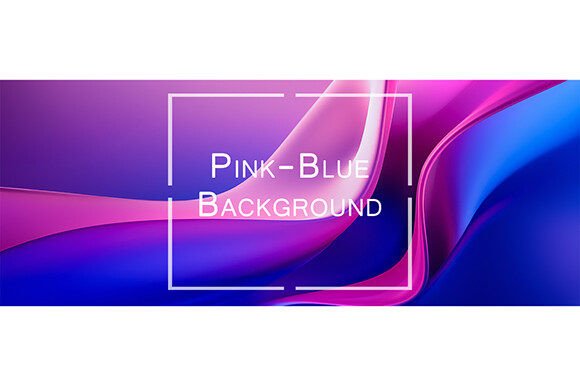
The Versatility of a Pink-Blue Background in Modern Design
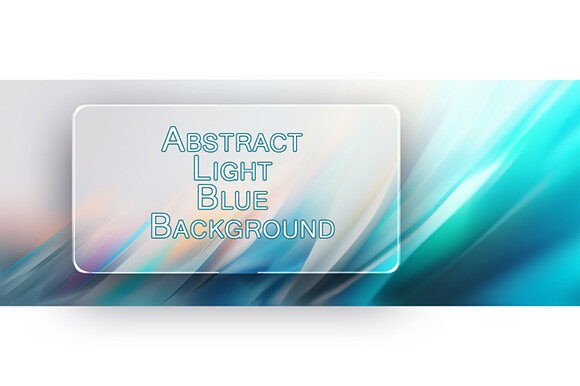
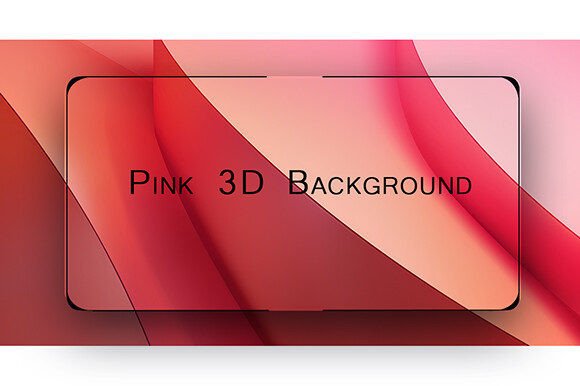
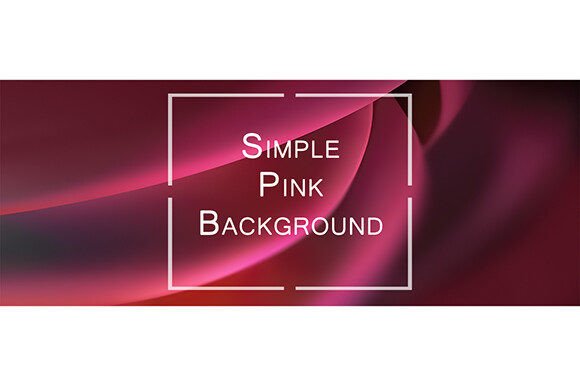
In today’s fast-paced digital landscape, visual appeal is not just an asset—it’s a necessity. A Pink-Blue Background stands out as a powerful and versatile design element that can elevate the look and feel of a wide range of creative projects. This dynamic combination of warm and cool tones offers a unique balance between playfulness and professionalism, making it ideal for both digital and print applications. Whether you're designing a website, crafting social media content, or developing brand materials, this background can be the subtle yet impactful detail that sets your work apart.
Why Pink-Blue Works in Graphic Design
The fusion of pink and blue creates a soft contrast that is visually soothing yet eye-catching. These colors are often associated with creativity, innovation, and approachability—key attributes for modern branding. The gentle gradient between shades of pink and blue can evoke a sense of harmony, while also providing enough depth to support layered design elements without overwhelming the viewer.
When used effectively, a Pink-Blue Background can help establish a strong visual identity. It works particularly well for brands targeting younger demographics, lifestyle sectors, or those aiming to project a contemporary, gender-neutral aesthetic. Its adaptability across different mediums ensures it remains a relevant choice in diverse design workflows.
Color Psychology and Branding
Understanding color psychology is essential when choosing a background. Pink is often linked to warmth, compassion, and femininity, while blue represents trust, stability, and professionalism. Together, they form a compelling duality that can communicate both emotional connection and reliability. For businesses looking to build a brand that resonates on multiple levels, this color palette offers a strategic advantage.
Using a high-resolution JPEG file (such as one sized at 5373x2100 px, 300 DPI) ensures that your designs maintain professional clarity whether viewed online or printed. The premium quality of such files makes them suitable for everything from large-scale posters to intricate web graphics, where every detail matters.
Applications Across Creative Industries
A Pink-Blue Background is more than just a pretty backdrop—it’s a functional design component. Here are some of the most effective ways to use it:
- Branding & Logo Design: As a base for logos or brand assets, it helps create a cohesive and memorable identity.
- Social Media Graphics: Ideal for Instagram posts, banners, and stories, where aesthetics drive engagement.
- Web & UI/UX Design: Offers a fresh, inviting look that supports intuitive navigation and clean layouts.
- Editorial Layouts: Enhances magazine spreads, blog headers, and eBook covers by adding a touch of modernity.
- Print Materials: From business cards to packaging, it adds a refined yet vibrant edge to physical products.
Tips for Effective Use
To maximize the impact of a Pink-Blue Background, consider these best practices:
- Ensure visual hierarchy by using contrasting text colors or white space to highlight key content areas.
- Maintain brand consistency by aligning the background with your existing color palette and typography choices.
- Use it sparingly in complex designs to avoid muddying the message or distracting the audience.
- Test how it performs across different devices and resolutions to guarantee optimal readability and scalability.
Also, remember to evaluate the audience expectations and the design goals of each project. What works for a children's product may not suit a corporate presentation, but with thoughtful application, the same background can be adapted to meet varied needs.
Pairing with Typography and Imagery
Typography plays a crucial role in complementing any background. Sans-serif fonts tend to read best against colorful gradients, while serif options can add elegance if the design context allows. When combining with imagery, opt for minimalistic or high-contrast visuals to keep the focus on the message rather than the background itself.
Proper composition ensures that the Pink-Blue Background enhances rather than competes with other design elements. Balance is key—use negative space strategically and ensure all components align with your overall visual style and modern aesthetics.
With its seamless blend of color and versatility, a Pink-Blue Background can become a cornerstone of your creative toolkit. When chosen and applied with care, it doesn’t just fill a space—it communicates a story, strengthens a brand, and improves user experience across platforms. So next time you're sourcing creative assets for your latest project, consider how a well-crafted background might transform your design from good to great.