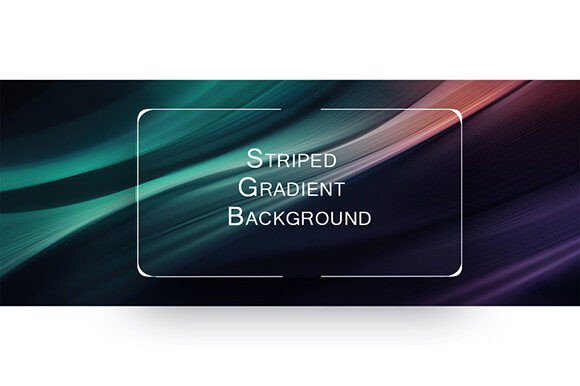
Striped Gradient Background: A Versatile Design Element for Modern Visual Projects
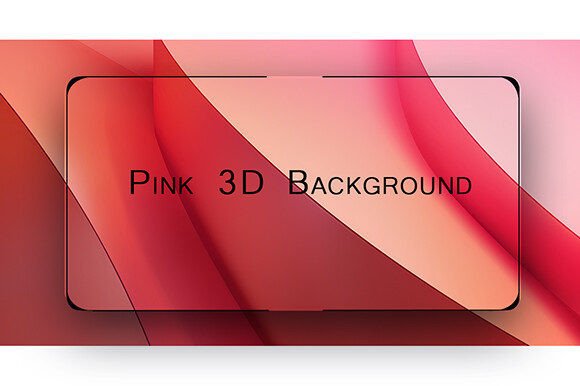
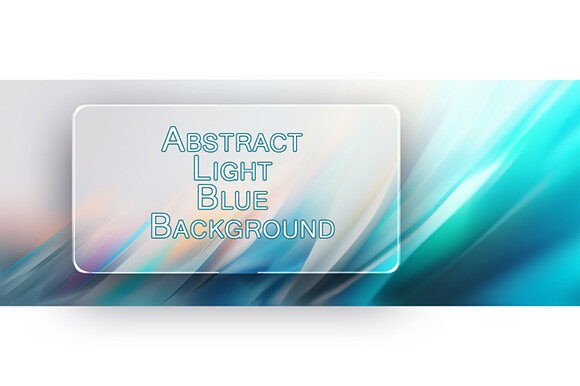
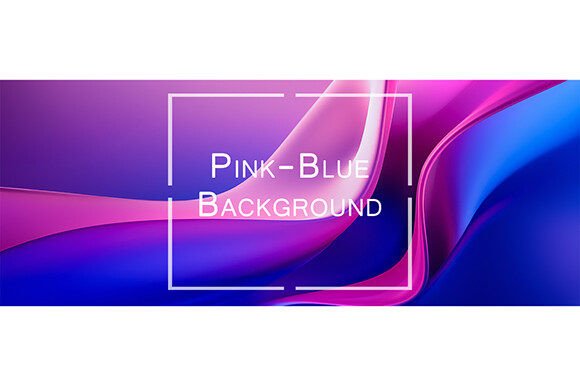
A Striped Gradient Background is a visually engaging design element that combines the dynamic movement of stripes with the smooth transition of colors through gradients. This abstract style offers a modern and artistic approach to backgrounds, making it suitable for a wide range of digital and print applications. When paired with multicolored waves or other abstract patterns, it creates a layered, vibrant effect that can elevate the aesthetic of any project.
Typically offered in high-resolution formats such as 300dpi JPEG (e.g., 5373x2100 px), these backgrounds are crafted to maintain clarity and vibrancy across various uses. Their premium quality ensures they remain sharp on screens and in print, supporting professional-grade outcomes whether used for branding materials, website design, or physical products like posters and packaging.
Why People Choose Striped Gradient Backgrounds
Designers and content creators often turn to striped gradient backgrounds for their unique ability to add depth and motion without overwhelming the viewer. The combination of structured lines and fluid color transitions makes them ideal for projects seeking a balance between order and creativity.
- Visual Interest: Striped gradients break away from flat, monotonous designs by introducing visual rhythm and flow.
- Brand Identity: They offer a customizable way to reflect brand personality—whether bold, playful, or sophisticated.
- Adaptability: These backgrounds work well in both minimalistic and highly detailed compositions, providing flexibility for creative teams.
- High Resolution Compatibility: With dimensions like 5373x2100 px and a 300 DPI resolution, they meet the technical standards required for print and high-quality digital displays.
Benefits and Use Cases
One of the main benefits of using a striped gradient background is its versatility. It can serve as a base for many types of content while still maintaining a professional appearance. For instance:
- Websites and Blogs: As a hero section or page divider, striped gradients provide a clean yet eye-catching backdrop for text and images.
- Social Media Branding: From cover photos to banners, this type of background helps establish a consistent visual theme across platforms.
- Print Materials: Its high-resolution format makes it ideal for posters, postcards, notebooks, and wall art where detail and clarity matter.
- Business Applications: Business cards, invitations, and packaging benefit from the premium look and feel of a striped gradient, especially when combined with abstract wave elements.
Additionally, the multicolored wave aspect adds an extra layer of interest, creating a sense of energy and movement. This makes the background particularly effective for campaigns targeting younger audiences or those in creative industries such as fashion, music, or technology.
Tradeoffs and Considerations
While striped gradient backgrounds offer numerous advantages, there are also some considerations to keep in mind before incorporating them into your projects:
- Color Contrast: Because of the gradient’s subtle nature, it's important to ensure that foreground elements (like text or logos) are clearly legible. Overly complex gradients may reduce readability.
- Design Balance: The pattern should complement rather than compete with the main content. Too many stripes or overly bright gradients can distract users or viewers.
- File Size: High-resolution JPEG files (like a 5373x2100 px image at 300 DPI) can be large in size, which may affect load times if not optimized properly for web use.
- Context Sensitivity: Not all industries or styles suit abstract designs. Conservative sectors such as legal or finance might prefer simpler, more traditional backgrounds.
It’s also worth noting that the effectiveness of a striped gradient background depends heavily on how it’s implemented. The right placement, sizing, and pairing with complementary visuals can make all the difference in achieving the desired impact.
When to Use a Striped Gradient Background
This design choice is most appropriate in scenarios where you want to create a modern, energetic atmosphere. Here are some situations where a striped gradient background could be a strong fit:
- Creative Portfolios: Artists, designers, and photographers can use these backgrounds to showcase their work in a visually dynamic setting.
- Event Promotions: Concerts, product launches, or festivals often benefit from bold and colorful designs that grab attention.
- App Interfaces: In mobile or web app design, a striped gradient can enhance user experience by adding visual warmth and guiding the eye.
- Marketing Collateral: Invitations, brochures, and flyers can become more memorable with a touch of abstract artistry.
Their compatibility with a variety of file formats and resolutions also makes them ideal for multi-channel marketing efforts, ensuring consistency across digital and print media.
When to Consider Alternatives
Despite their appeal, striped gradient backgrounds may not always be the best option. There are several cases where alternatives might be more effective:
- Minimalist Designs: If your goal is to highlight simplicity or focus on content, a solid color or white space might be more appropriate.
- Readability Concerns: In cases where the background needs to support dense text or fine details, consider using a flatter or lighter version of the gradient.
- Brand Consistency: If your brand identity relies on specific colors or motifs that don’t align with the gradient’s palette, it may be better to customize or choose a different style.
- Printing Constraints: While 300 DPI is suitable for most print jobs, always confirm the printing requirements of your vendor to avoid unexpected results.
For example, in corporate presentations or formal reports, a plain or subtly textured background may be preferred to maintain professionalism. Similarly, in UI/UX design, performance optimization is key, so using a compressed or simplified version of the gradient might be necessary.
Practical Insights for Choosing the Right Background
Choosing a striped gradient background involves evaluating both the visual impact and the functional purpose of your design. Here are some practical tips to guide your decision:
- Test with Content: Always overlay potential text, images, or logos to see how they interact with the background. Adjust brightness or contrast if needed.
- Consider Color Psychology: The colors used in the gradient can influence perception. For example, blue gradients may convey trust, while red or orange gradients suggest urgency or excitement.
- Use as a Focal Point: If the background is too busy, simplify it by reducing the number of stripes or fading the gradient to let the main content shine.
- Optimize for Medium: For web use, convert high-res JPEGs to lower resolutions or compress them appropriately. For print, ensure that the CMYK profile is correctly applied.
Also, think about the audience. Younger demographics tend to respond well to vibrant, abstract designs, while older or more conservative groups may prefer muted tones and structured layouts. Aligning the background with your target demographic can significantly enhance engagement and message delivery.
Expectations and Final Thoughts
When selecting a striped gradient background, it's important to set realistic expectations. These backgrounds are excellent for enhancing visual appeal but should not overshadow the primary purpose of the design. Expect to spend time adjusting the layout and content to achieve the best results.
Furthermore, the availability of a 300 DPI JPEG in dimensions such as 5373x2100 px provides flexibility for both small-scale and large-format applications. However, remember that larger files require careful handling to avoid unnecessary delays in loading or printing.
In summary, a striped gradient background is a powerful tool in the designer’s toolkit. Its blend of structure and fluidity allows for creative expression while maintaining usability. Whether you're looking to refresh your blog, design a new poster, or rebrand a product line, this versatile asset can help you stand out—when used thoughtfully and strategically.