Abstract Light Blue Background: A Versatile Design Element for Modern Creativity
The Abstract Light Blue Background has become a go-to visual asset for designers, marketers, and content creators looking to elevate the aesthetics of their projects. With its soft hues and dynamic patterns, this background design offers a blend of sophistication and modernity that resonates across various industries. Whether you're building a website, crafting social media visuals, or designing promotional materials, understanding the value and versatility of an abstract light blue background can help you make more informed creative choices.
What Is an Abstract Light Blue Background?
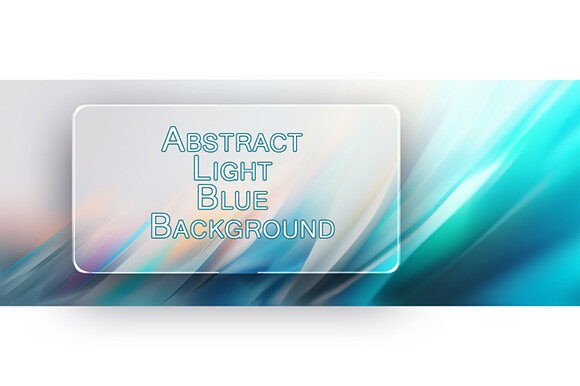
An abstract light blue background is a digital design element characterized by fluid shapes, gradients, and minimalistic color schemes in varying shades of blue. These backgrounds are often created using vector graphics or high-resolution JPEG files—such as a 5117x2000 px - 300 DPI - JPEG format—which ensures crisp quality even when scaled for different uses. The "abstract" aspect means there’s no realistic imagery; instead, it relies on artistic interpretation to evoke emotion, convey themes, or set a tone.
Such designs typically feature blurred blue shapes, geometric patterns, or wave-like forms that create a sense of depth and movement. They are ideal for projects where a clean yet visually engaging backdrop is needed without distracting from primary content elements like text or product images.
Purpose and Value of Abstract Light Blue Backgrounds
At its core, the purpose of an abstract light blue background is to enhance user experience through visual appeal. Its calming effect makes it especially suitable for brands in technology, health, education, and wellness sectors. The light blue tones suggest trust, clarity, and innovation, which are powerful psychological cues in branding and marketing.
Beyond aesthetics, these backgrounds serve practical functions:
- They provide flexibility for overlaying text, logos, or other design elements.
- They work well with dark or contrasting colors, making key information stand out.
- They support accessibility by maintaining readability and minimizing visual strain.
Features and Characteristics
When considering an abstract light blue background, several features define its effectiveness and adaptability:
High-Resolution Quality
With specifications such as 5117x2000 px at 300 DPI, these backgrounds deliver premium quality suitable for both digital and print use. This resolution ensures sharpness and detail whether displayed on a large screen or printed on business cards.
Color Psychology
Blue is one of the most trusted colors in design. It symbolizes calmness, reliability, and professionalism. A light variant softens this message, making it ideal for environments where serenity and approachability are desired.
Design Flexibility
These backgrounds can be customized in terms of opacity, contrast, and layout to suit specific project needs. For example, adding subtle overlays or adjusting brightness can transform the same background into a completely different mood for each application.
Applications Across Industries
The beauty of an abstract light blue background lies in its broad applicability. Here are some common use cases:
Websites and Blogs
Many websites use abstract light blue backgrounds to maintain a professional look while keeping the interface inviting. Bloggers in niches like mental health, productivity, or lifestyle often choose this design to reflect a thoughtful and modern tone.
Social Media Branding
On platforms like Instagram, Facebook, or LinkedIn, abstract light blue backgrounds can help unify a brand's visual identity. They’re particularly effective for profile banners, cover photos, and post templates, offering a cohesive aesthetic across all channels.
Posters and Packaging
Event posters, educational materials, and product packaging benefit from the elegant simplicity of abstract light blue designs. Their ability to blend seamlessly with other elements makes them a favorite among graphic designers working on multi-layered compositions.
Invitations and Notebooks
For personal or professional invitations, a light blue abstract background can add a touch of creativity without overwhelming the reader. Similarly, notebooks and journals designed for planners or students often use this style to foster a sense of calm and focus.
Wall Art and Business Cards
In interior design and personal branding, abstract light blue backgrounds can be used as wall art or on business cards to create a unique and memorable impression. Their understated elegance appeals to professionals who want to communicate class and originality.
Who Can Benefit from Using This Background?
This background is not just for designers. It caters to a wide audience including:
- Business owners looking to build a trustworthy online presence.
- Content creators who need consistent and stylish backdrops for videos or presentations.
- Marketing teams aiming to craft visually appealing campaigns.
- Individuals creating personal projects like resumes, portfolios, or greeting cards.
- Educators and institutions who want to present information in a clear yet attractive manner.
Strengths and Considerations
There are several strengths to using an abstract light blue background:
- Professional appearance without being overly formal.
- Compatibility with multiple color palettes, allowing for easy customization.
- Enhanced visual hierarchy due to the subtle nature of the design.
However, there are also considerations to keep in mind:
- Contrast matters: Ensure text and icons have enough contrast against the background for readability.
- Consistency is key: Use similar abstract designs throughout your project to maintain a unified theme.
- Audience relevance: Choose colors and styles that align with the emotions you want to evoke in your users or customers.
Real-World Examples of Usage
Let’s take a look at how the abstract light blue background has been applied in real-world scenarios:
Technology Startups
A tech startup might use this background on their homepage to represent innovation and clarity. The soft blues complement technical diagrams or white text, guiding the viewer’s attention effectively.
Healthcare Professionals
Doctors or therapists may incorporate this design into their office brochures or appointment reminder emails. The soothing color palette supports a welcoming environment and promotes a sense of safety.
Creative Portfolios
Photographers, illustrators, and artists often use abstract light blue backgrounds to showcase their work. The design adds a layer of sophistication without overshadowing the main content.
Corporate Presentations
Companies frequently use abstract light blue backgrounds in slides to maintain a professional image while allowing charts, infographics, and key points to remain the focal point.
How to Evaluate Suitability for Your Project
Before choosing an abstract light blue background, ask yourself a few key questions:
- Does the color blue align with my brand identity or the message I want to convey?
- Will the background support the visibility of text or other graphical elements?
- Is the file size and resolution appropriate for my intended use (e.g., web vs. print)?
- Can I easily integrate this background into my existing design workflow or tools?
Testing the background with sample layouts is also recommended. Tools like Adobe Photoshop, Canva, or Figma allow you to mock up your design quickly and see how it performs under different conditions.
Alternatives and When to Choose Them
While the abstract light blue background is versatile, it isn’t always the best choice. Consider alternatives like neutral gray, pastel gradients, or minimalist white backgrounds if your project requires:
- Maximum contrast for accessibility.
- A more subdued or traditional feel.
- Monochrome or black-and-white presentation.
Choosing the right background ultimately depends on your audience, message, and medium. Always prioritize usability and coherence over aesthetics alone.
Conclusion
The Abstract Light Blue Background is more than just a visual trend—it’s a functional and expressive tool for modern design. From websites to wall art, this background brings a sense of balance, trust, and creativity to any project. By understanding its features, applications, and limitations, you can determine whether it’s the perfect fit for your next design endeavor.
If you're ready to explore new ways to integrate this background into your work, consider experimenting with variations in shape, texture, and transparency. The possibilities are endless, and the results can be stunning when done thoughtfully.