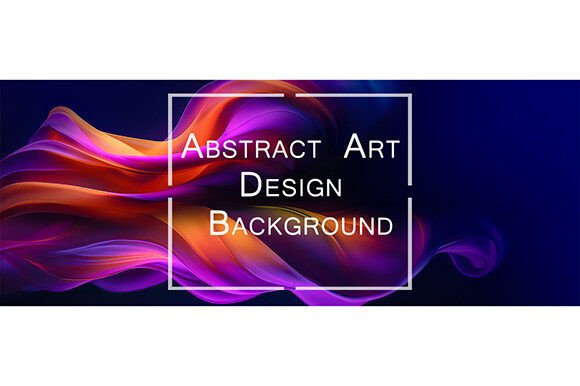
Abstract Art Design Backgrounds: A Guide to Choosing and Using the Right Visual Elements
Abstract art design backgrounds are versatile visual tools that can transform any project, from digital platforms to physical products. With their unique blend of colors, shapes, and textures, these backgrounds offer a modern and artistic approach to enhancing the aesthetics of various applications. When you're looking for a 300 DPI high-resolution JPEG, such as one sized 5373x2100 px, you’re not just selecting an image—you're choosing a premium-quality asset designed for professional use.
What Is an Abstract Art Design Background?
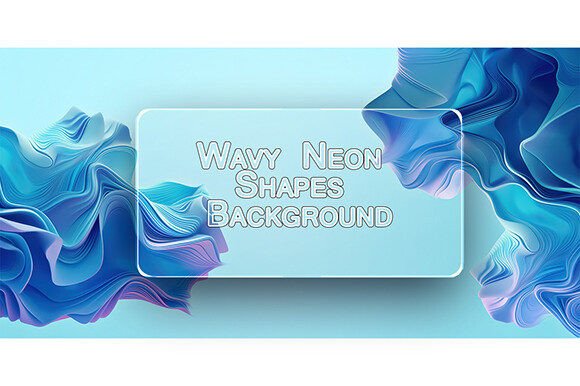
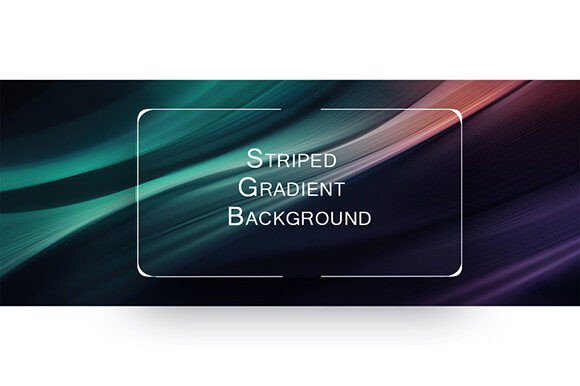
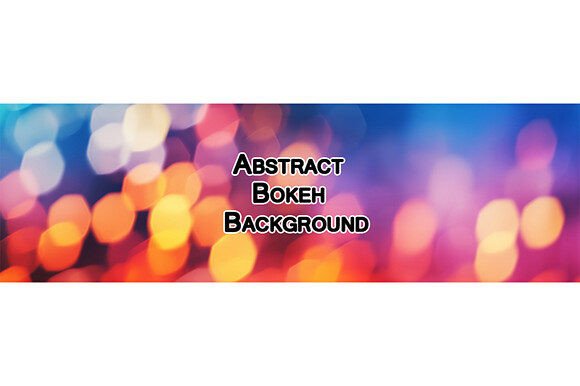
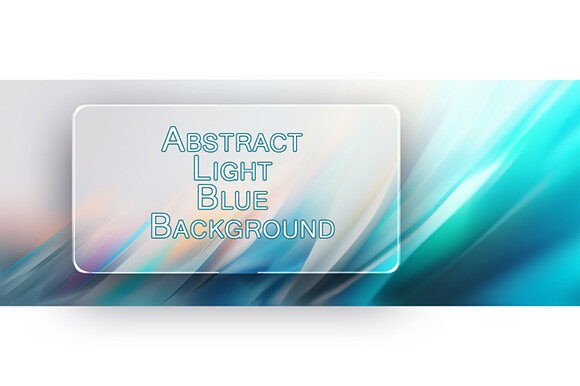
An abstract art design background is a non-representational visual element that uses geometric patterns, fluid forms, or color gradients to create a sense of movement, emotion, or style without depicting recognizable objects. These designs are often used to convey mood, theme, or brand identity through visual abstraction rather than realism.
The 5373x2100 px resolution ensures that your background remains sharp and clear even when scaled up for large formats like posters or wall art. At 300 DPI, this file is ideal for both print and digital media, offering clarity and detail that meet industry standards for quality output.
Key Features of Abstract Art Design Backgrounds
- High Resolution: The 5373x2100 px size allows for flexibility in usage across different platforms without losing visual integrity.
- Color Versatility: These backgrounds come in a wide range of palettes, making it easy to match your project's tone or branding requirements.
- Non-Intrusive Design: Abstract elements typically provide a subtle base that complements text, logos, or other content without overshadowing them.
- Timeless Appeal: Unlike trends that fade quickly, abstract art has a broad, enduring aesthetic appeal suitable for long-term projects.
Purpose and Benefits
Abstract art design backgrounds serve multiple purposes depending on how they're applied. For designers and developers, they offer a creative canvas that enhances user experience by adding visual interest. For businesses, they can reinforce brand identity with consistent and stylized visuals. And for artists and creators, they provide inspiration and a foundation for more complex compositions.
A key benefit of using a 300 DPI JPEG format is its compatibility with most software and printing technologies. Whether you're preparing materials for a client or designing for personal use, having a high-quality file ensures that your final product looks polished and professional.
Who Can Benefit from Abstract Art Design Backgrounds?
- Business Owners: Use them in marketing materials, website headers, or social media posts to establish a strong visual presence.
- Graphic Designers: Incorporate them into presentations, brochures, or app interfaces to add depth and creativity.
- Content Creators: Enhance blog posts, YouTube thumbnails, or podcast artwork with visually engaging abstract layers.
- Print Shops and Packaging Designers: Take advantage of the 5373x2100 px dimensions for high-quality printed items like postcards, notebooks, and invitations.
Real-World Applications
Abstract art design backgrounds are incredibly adaptable. Here are some common ways professionals and individuals utilize them:
- Websites and Blogs: As a hero section background or page divider to draw attention and maintain visual consistency.
- Social Media Branding: For Instagram stories, Facebook banners, or LinkedIn covers where a bold yet refined look is desired.
- Posters and Event Invitations: To evoke a particular atmosphere or theme without relying on literal imagery.
- Wall Art and Interior Decor: Large-scale prints of abstract backgrounds bring personality and sophistication to living or office spaces.
- Mobile App UI/UX Design: Used subtly to guide user interaction while maintaining a modern, clean interface.
With a 300 DPI JPEG, you can confidently scale these designs for both online and offline use, ensuring that the details remain crisp and vibrant across all mediums.
Strengths of Abstract Art Backgrounds
One of the main strengths of abstract art design backgrounds is their ability to be both versatile and visually compelling. They allow for a great deal of customization and can be layered with other design elements to suit specific needs. Additionally, because they don’t depict real-world subjects, they avoid potential copyright issues and cultural misinterpretations.
For example, a minimalist business card might use a soft gradient abstract background to suggest innovation and creativity. In contrast, a music festival poster could leverage dynamic, colorful abstract patterns to reflect energy and excitement.
Considerations and Limitations
While abstract art design backgrounds are powerful tools, they aren't always the best fit for every project. Consider the following factors before incorporating one:
- Context: Does the abstract nature align with your message? In some cases, a realistic image may be more appropriate for clarity or professionalism.
- Contrast: Ensure there’s enough contrast between the background and foreground elements (like text) to maintain readability.
- Brand Identity: Choose a design that reflects your brand’s personality—too busy or mismatched visuals can dilute your message.
- Printing Costs: High-resolution files like 5373x2100 px JPEGs are great for quality, but ensure your printer supports such specifications to avoid unnecessary expenses.
It’s also important to remember that while JPEG is widely supported, it doesn’t retain transparency or support layering like PNG does. If your design requires overlays or transparent sections, consider additional file formats alongside your JPEG.
Practical Expectations When Using This File Format
When you download an abstract art design background in JPEG format at 300 DPI, here’s what you can expect:
- High Quality: Ideal for professional-grade printing and high-definition displays.
- Compatibility: Works seamlessly with most graphic design tools, including Adobe Photoshop, Illustrator, and free editors like GIMP or Canva.
- File Size: Due to the large pixel count and resolution, expect a larger file size which may affect load times if used online without optimization.
- No Transparency: Since JPEG lacks alpha channels, you won’t be able to overlay text or images without additional editing.
How to Evaluate Suitability for Your Project
To determine whether an abstract art design background is right for your needs, ask yourself the following questions:
- Does my project require a high-resolution image for print or display?
- Am I looking for a background that complements rather than competes with my content?
- Can I edit the file easily in my preferred design software?
- Will the design work across multiple platforms (print, web, mobile)?
If you answered “yes” to most of these, then an abstract art design background in 300 DPI JPEG is likely a good choice. Always test the design in context before finalizing your project to ensure it meets your expectations.
Where to Source and How to Use Them Effectively
Abstract art design backgrounds are available from numerous stock image sites, design marketplaces, and independent artists. Look for ones that specify 5373x2100 px and 300 DPI to ensure they meet your technical requirements. You can also commission custom abstract designs tailored to your brand or event.
Once you’ve selected your background, here are a few tips for effective use:
- Layer wisely: Use blending modes or masks to integrate text or logos smoothly into the abstract design.
- Balance complexity: Avoid overcomplicating the layout—keep the background as a supporting element.
- Test on devices: View your design on different screens to check how the abstract elements render in various sizes and resolutions.
- Optimize for web: If using online, compress the JPEG slightly to reduce file size without compromising too much on quality.
Final Thoughts
An abstract art design background in 5373x2100 px at 300 DPI is more than just a decorative image—it's a strategic design component that can elevate your work across many fields. Whether you're launching a new website, preparing a presentation, or designing branded merchandise, the right abstract background can make a lasting impression.
By understanding the purpose, limitations, and practical considerations of these backgrounds, you’ll be better equipped to choose one that fits your vision and technical needs. Keep experimenting with different styles and combinations to discover how abstract art can enhance your next project in unexpected and inspiring ways.